
The Rise of South Africa as a Production Destination
South Africa has a way of holding more than one story at a time.
A production day might begin in a clean-lined architectural villa overlooking the Atlantic, move through textured city streets by midday, and end with golden light spilling across a mountain pass, vineyard road or wild stretch of coastline.
For producers, photographers, directors and brands, that kind of range is not only beautiful.
It’s incredibly useful.
And it’s one of the reasons South Africa continues to grow as a destination for film productions, television commercials, stills campaigns and branded content.
At Shoot My House, we see it every day. International clients arrive looking for beautiful locations — but what often surprises them is how much more they find here. Not only visually, but creatively. Energetically. Humanly.
Because South Africa doesn’t just offer scenery.
It offers atmosphere.
Why South Africa Works So Well for Production
South Africa has long attracted filmmakers, photographers and creative teams because it offers something increasingly rare in production: versatility with character.
Within a relatively short distance, productions can access beaches, mountains, forests, vineyards, contemporary architecture, heritage buildings, open landscapes, coastal roads and textured urban spaces. The country can play itself beautifully, but it can also double convincingly for many other parts of the world.
That flexibility matters.
In an industry where timelines are tight and brands need more content, faster, locations that already carry mood, texture and cinematic quality become incredibly valuable. Instead of building atmosphere entirely from scratch, productions can step into spaces that already feel alive.
And audiences can feel the difference.
There’s a subtle but important distinction between a location that merely “looks good” and one that actually holds feeling. The best locations don’t sit passively behind the action. They shape the mood of the scene itself.
That’s part of what makes South Africa such a compelling production destination.
Cape Town and the Western Cape: A Creative Playground
Cape Town has become one of the world’s most sought-after hubs for film, commercial and photo shoot productions — and for good reason.
The geography alone feels unusually generous.
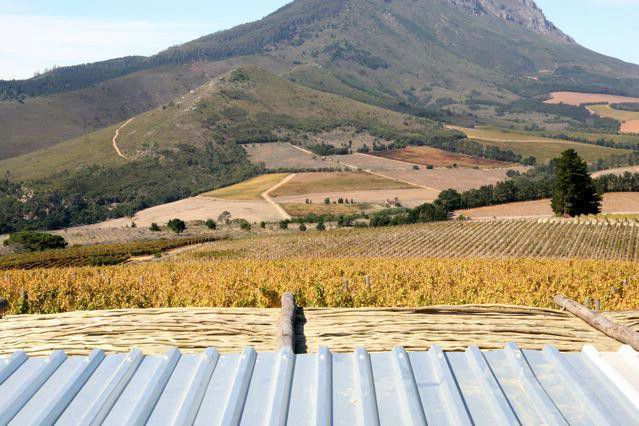
Within one day, a production can move between mountain landscapes, modern architectural homes, beaches, forests, city streets, wine estates and rugged coastline. For stills campaigns, television commercials and social media productions, that creates enormous creative flexibility.
But there’s another layer that matters too:
Cape Town understands production.
There is an established production culture here. Experienced local crews. Equipment suppliers. Stylists. Location managers. Permitting offices. Production support teams. People who understand that when the light is disappearing and the client is nervous, solutions matter more than panic.
That practical side is often invisible from the outside, but it’s essential to what makes a production destination actually work.
Because a location is never only about the final image.
It’s also:
Can the trucks access the property?
Is there enough space for crew, styling and equipment?
Does the light work at the right time of day?
Can multiple scenes be shot from one location?
Will the house support the scale of production required?
Beautiful is important.
But functional beauty?
That’s gold.

The Power of Contrast
One of South Africa’s greatest strengths creatively is contrast.
The country is layered rather than visually uniform. Campaigns can feel polished and architectural, relaxed and coastal, rugged and adventurous, intimate and domestic or contemporary and urban — often within the same region.
For brands, this is incredibly useful because modern campaigns rarely need only one visual language anymore. A single production may require hero imagery, social cutdowns, behind-the-scenes content, lifestyle scenes and product moments all within one shoot schedule.
The right location creates room for all of that.
A contemporary home with natural light can feel aspirational and editorial. A coastal property can bring softness and movement. A vineyard estate can evoke stillness, luxury or escape. A textured city space can create pace, energy and edge.
This is why shoot locations matter so much.
They do not simply contain the production.
They shape the story.
Why Authenticity Matters More Than Ever
Audiences are visually sophisticated now.
People consume polished imagery all day, every day. Which means they can sense when something feels overly manufactured, generic or emotionally flat.
This has changed what many brands are looking for in a shoot location.
Yes, spaces still need to photograph beautifully. But they also need warmth. Atmosphere. Texture. Character. They need to feel believable.
At Shoot My House, we’re deeply drawn to locations that have soul — homes and spaces that feel layered, lived in and emotionally resonant rather than sterile or over-designed.
And South Africa is filled with them.
Particularly in Cape Town and the Western Cape, many homes have a beautiful relationship between indoor and outdoor living. Rooms spill onto courtyards, gardens, sea views, decks, mountain vistas and pools. Light moves differently through these spaces. Air moves differently too.
You can feel it on camera.
And that natural sense of ease often gives campaigns something difficult to manufacture artificially:
a feeling of real life.
The Part People Don’t Always See
What often goes unseen in productions is the amount of coordination required behind the scenes to make everything run smoothly.
A successful shoot is rarely about one dramatic thing going right. It’s usually about a hundred small things being handled well.
At Shoot My House, one of the things we care deeply about is protecting both productions and homeowners throughout that process.
Because while shoots can look glamorous from the outside, they also involve crews, equipment, timelines, weather pressure, furniture moving, generators, parking logistics and very occasionally… complete chaos.
Especially now, with the rise of fast-moving social media productions, there can sometimes be a misconception that smaller shoots require less structure or professionalism.
In our experience, the opposite is often true.
Whether it’s a global commercial campaign or a compact digital production, every shoot impacts a space. Which is why proper communication, clear agreements, insurance and respectful location management matter enormously.
Not because we want things to feel rigid.
Because we want them to feel seamless.
The best productions are the ones where everyone — client, crew, homeowner and creative team — feels looked after.
South Africa as a Storytelling Landscape
The rise of South Africa as a production destination is not only about scenery.
It’s about storytelling.
The country gives creative teams the ability to create worlds that feel cinematic, aspirational, grounded, adventurous, luxurious or deeply human. It offers texture. Contrast. Atmosphere. Emotion.
And perhaps most importantly, it offers locations that already carry a sense of life before the camera arrives.
The shadow across a wall.
The stillness of a pool before call time.
The way late afternoon light moves across a staircase.
The texture of a room that feels as though it has stories of its own.
Those are the details that make locations memorable.
And in an industry constantly asking for more originality, more authenticity and more visual impact, South Africa continues to offer something rare:
Spaces that don’t just look beautiful —
but feel alive.
Looking for Shoot Locations in South Africa?
Whether you are planning a television commercial, stills campaign, editorial production, social media shoot or international film project, the right location can shape the entire result.
Shoot My House connects productions with distinctive homes and shoot locations across Cape Town and the Western Cape — spaces chosen not only for how they look, but for the feeling they bring to screen.
Because the best locations don’t just hold productions.
They help tell the story.
